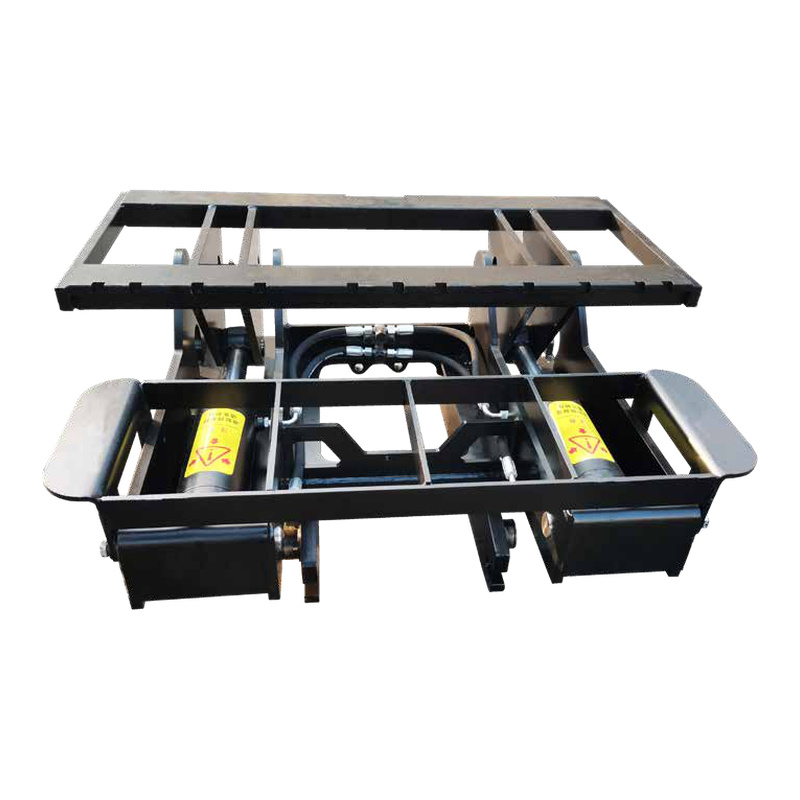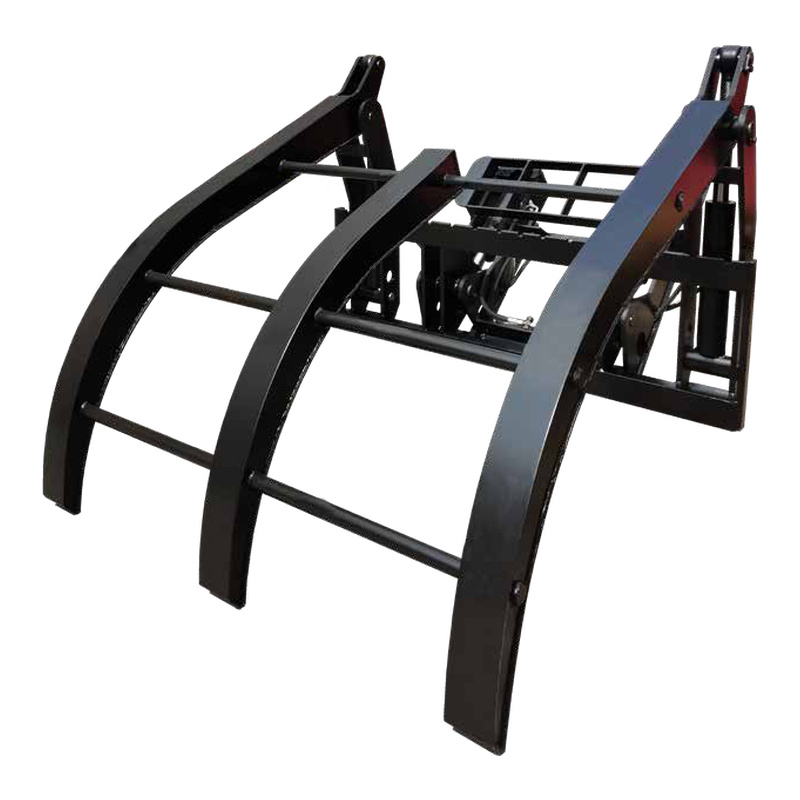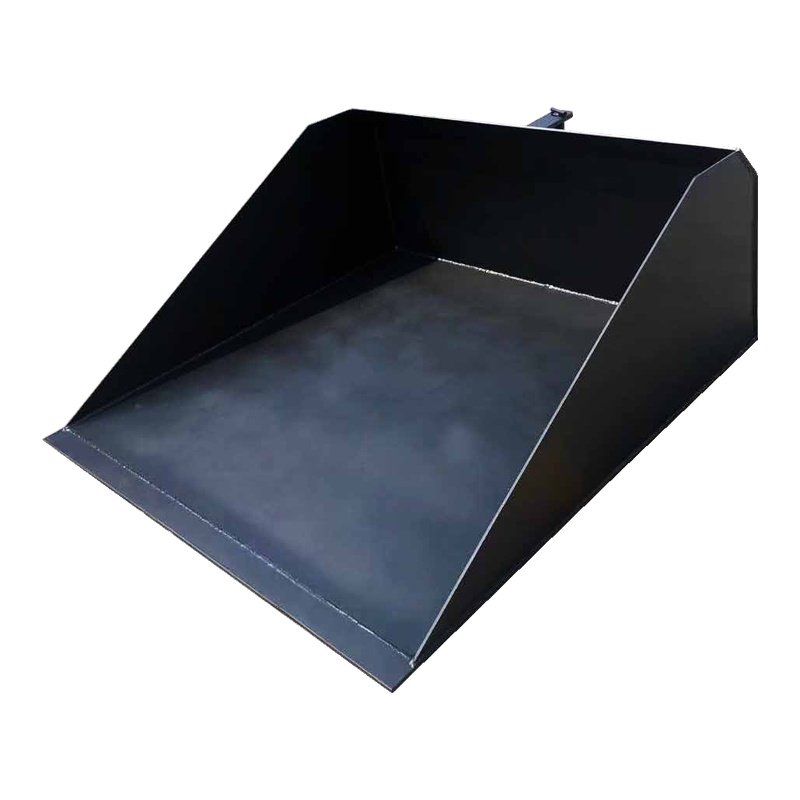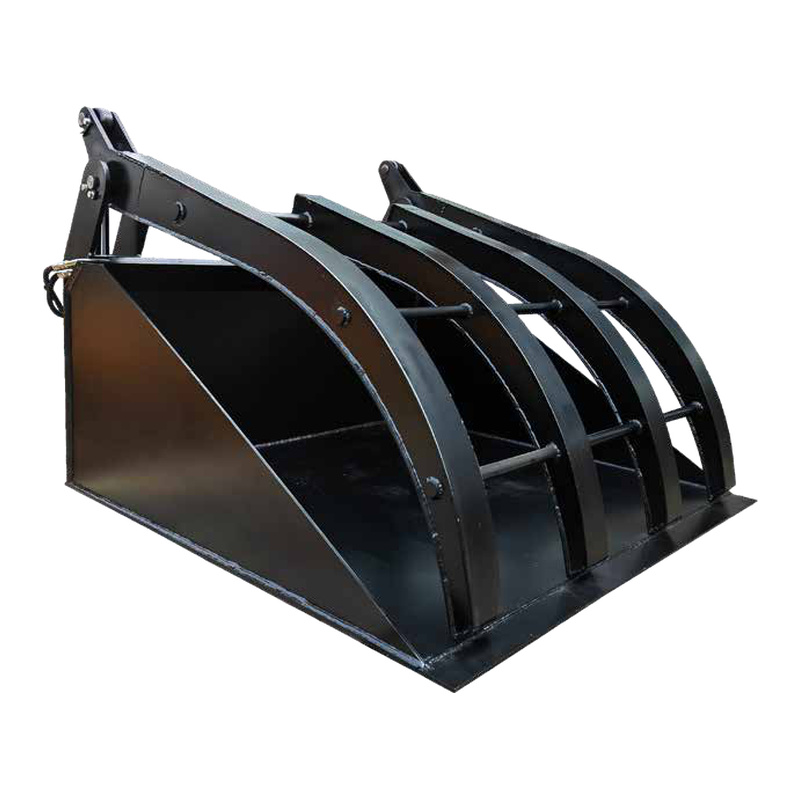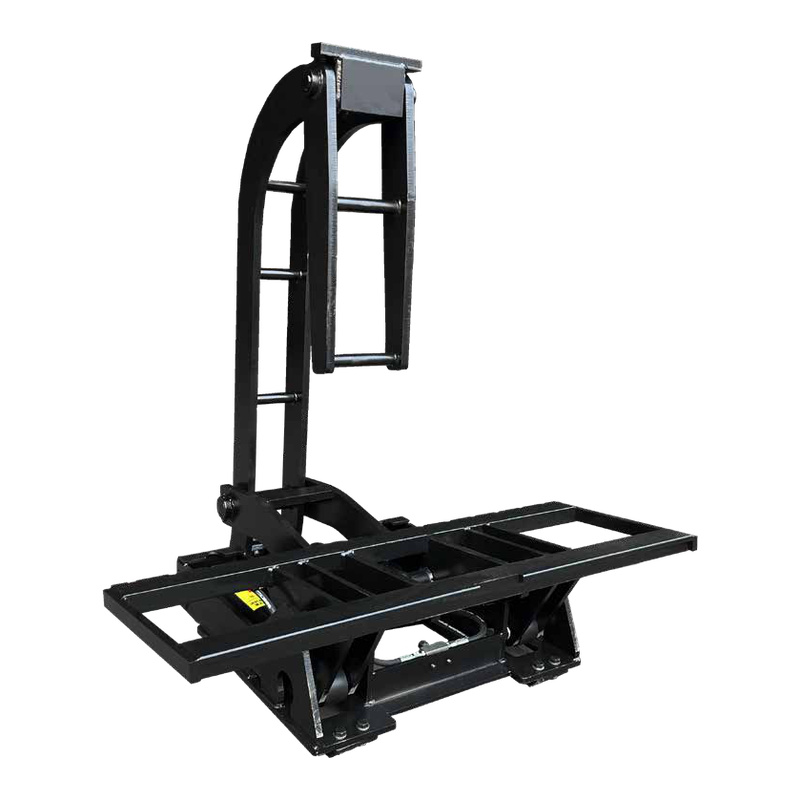
A Pipe Clamp used on a forklift is not the same as a small fixing clamp for pipes. In pipe yards, steel stock areas, construction material warehouses and plastic pipe distribution centers, long round materials often roll, shift or become difficult to balance when handled with standard forks. A hydraulic forklift pipe clamp solves this handling problem by applying controlled pressure from above while the forklift supports the load from below. This makes pipe movement safer, cleaner and more efficient when operators need to pick, transfer, stack or load bundled cylindrical goods.
Our Hydraulic Forklift Pipe Clamp Attachment is built for long and round materials such as steel pipes, plastic pipes, tubes and bundled cylindrical products. The standard configuration includes a 1450mm beam length, 505mm crossbeam width, 3000kg capacity at 330mm load center, 16mm sheet thickness, 1100/1450/1100mm product size and 450kg self-weight. Capacity can cover 2000kg, 3000kg, 4000kg and 5000kg, while beam size, clamp dimensions, working capacity and surface finish can be adjusted for OEM pipe handling attachment programs.
| Model | Parameter | |
| Beam length (mm) | 1450 | Customizable |
| Width of crossbeam (mm) | 505 | \ |
| Capacity / Center of load (kg/mm) | 3000/330 | 2000\3000\4000\5000 Customizable |
| Sheet thickness (mm) | 16 | \ |
| Product length / width / height (mm) | 1100/1450/1100 | Customizable |
| Self-weight (kg) | 450 | \ |
1. Hydraulic Hold-Down Arm
The hydraulic hold-down arm is the key working part of this Pipe Clamp because round materials need top control during lifting and travel. Standard forklift forks can support pipes from below, but they cannot stop the bundle from rolling when the forklift turns, brakes or moves across uneven ground. The hydraulic arm applies controlled downward pressure to keep the pipe bundle more stable during short-distance movement. This helps reduce load shifting and gives operators better control when working in pipe warehouses, steel yards and construction material storage areas.
2. Long Beam Contact Area
Pipe handling requires a wider contact area than palletized cargo because pipes are long, round and often bundled by diameter or length. The 1450mm beam length and 505mm crossbeam width give the clamp a broader holding surface for long tubular goods. A wider beam layout helps distribute pressure more evenly instead of concentrating force at a small point. This matters when moving scaffold pipes, structural tubes, plastic pipes or bundled round stock that may bend, roll or separate if support is uneven.
3. 3000kg Pipe Handling Capacity
The listed configuration provides 3000kg capacity at a 330mm load center, making it suitable for many common bundled pipe handling tasks. Capacity should not be judged by weight alone because pipe length, bundle diameter and load center can change the actual forklift working condition. A long bundle may create more leverage than a compact load even when the total weight looks acceptable. Buyers should confirm forklift rating, pipe weight, bundle shape and working route before selecting the right Pipe Clamp configuration.
4. Palletless Pipe Movement
Pallets are not always practical for pipe storage because pipe length often exceeds standard pallet sizes. A Pipe Clamp allows forklifts to pick up bundled pipes directly, reducing the need to prepare pallets under every pipe group. This helps pipe yards save storage space and arrange stock by length, diameter, material or customer order. For distributors, palletless handling can also make order picking and truck loading more flexible during daily operations.
5. Reinforced Steel Structure
Pipe handling creates repeated pressure on the clamp body because operators need to clamp, lift, move, release and restack materials many times each day. The attachment uses a high-strength all-steel structure for continuous operation under different working conditions. The 16mm sheet thickness supports heavy-duty use where the clamp may contact steel pipe bundles, warehouse racks, yard surfaces or loading areas. For equipment dealers and industrial users, structural strength is important because pipe clamps often work in rougher environments than standard warehouse attachments.
1. Steel Pipe Warehouses
Steel pipe suppliers need to move scaffold pipes, structural tubes and round steel bundles between storage rows, cutting areas and loading zones. These materials are difficult to balance with standard forks because they can roll or shift during travel. A hydraulic Pipe Clamp holds the bundle from above while the forks carry the weight from below. This improves handling control when workers need to move pipes quickly without preparing pallets for every bundle.
2. Plastic Pipe Distributors
PVC, PE and other plastic pipe distributors often store products by diameter, length and order batch. Plastic pipes are lighter than steel pipes, but they can still roll, spread or become unstable during movement. A Pipe Clamp helps keep the bundle together during pickup, transfer and loading. For distributors, better pipe control can reduce handling time and help organize stock more efficiently in busy warehouse areas.
3. Pipe Production Transfer
Pipe manufacturers need to move finished pipes from production output areas to inspection zones, storage racks or truck loading points. In this workflow, the attachment must support repeated handling without slowing down production movement. A hydraulic Pipe Clamp gives the forklift a more suitable way to handle long tubular goods after manufacturing. It can help reduce manual adjustment when pipe bundles leave the production line and enter the storage process.
4. Building Material Stockyards
Building material stockyards often handle mixed pipes, tubes and long round goods for construction customers. These materials may come in different lengths, diameters and bundle sizes, so one simple fork setup may not be enough. A Pipe Clamp gives the forklift better control when moving long cylindrical goods across outdoor or semi-outdoor storage areas. This is useful when workers need to sort materials, prepare orders or load trucks more directly.
5. Truck Loading Operations
Pipe delivery work requires accurate placement because long bundles must be positioned safely on the truck bed. A Pipe Clamp helps the forklift hold the load more steadily while lifting and placing pipes onto delivery vehicles. This reduces the chance of pipe movement during loading and allows operators to place bundles more carefully. For pipe suppliers and logistics teams, better loading control can improve delivery preparation and reduce handling risks.
Different pipe materials require different handling habits. Rough construction steel pipes can usually tolerate more contact pressure, while painted pipes, galvanized pipes and plastic pipes may need more careful clamping. The contact area between the clamp and the bundle should hold the load firmly without causing unnecessary surface damage. Operators should avoid over-clamping fragile materials or gripping damaged pipe bundles. For mixed pipe distributors, pipe surface condition should be discussed before choosing clamp structure and operating pressure.
For a Pipe Clamp quotation, prepare the pipe material, diameter range, common length, bundle weight, forklift model, lifting capacity, hydraulic condition and stacking method. Pipe handling is different from pallet handling, so these details directly affect beam size, clamping pressure, load center and attachment matching. If the clamp will be used for both steel and plastic pipes, surface protection and operating pressure should also be reviewed in advance. For pipe warehouses, steel stockyards, plastic pipe distributors and building material suppliers, we can help match the attachment configuration to the real handling process instead of only quoting by capacity.

 sales@neunepusi.com