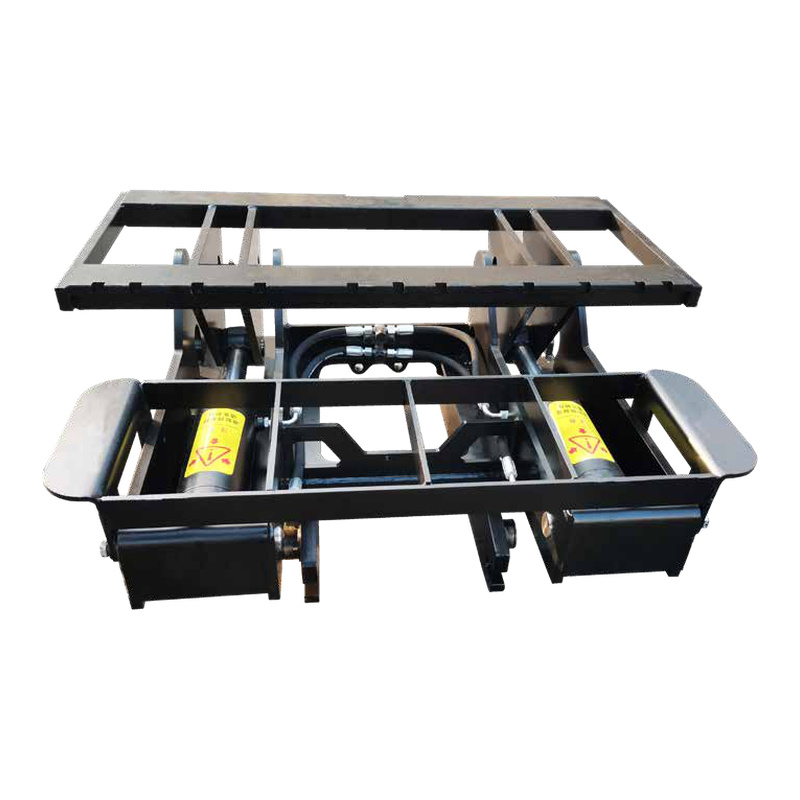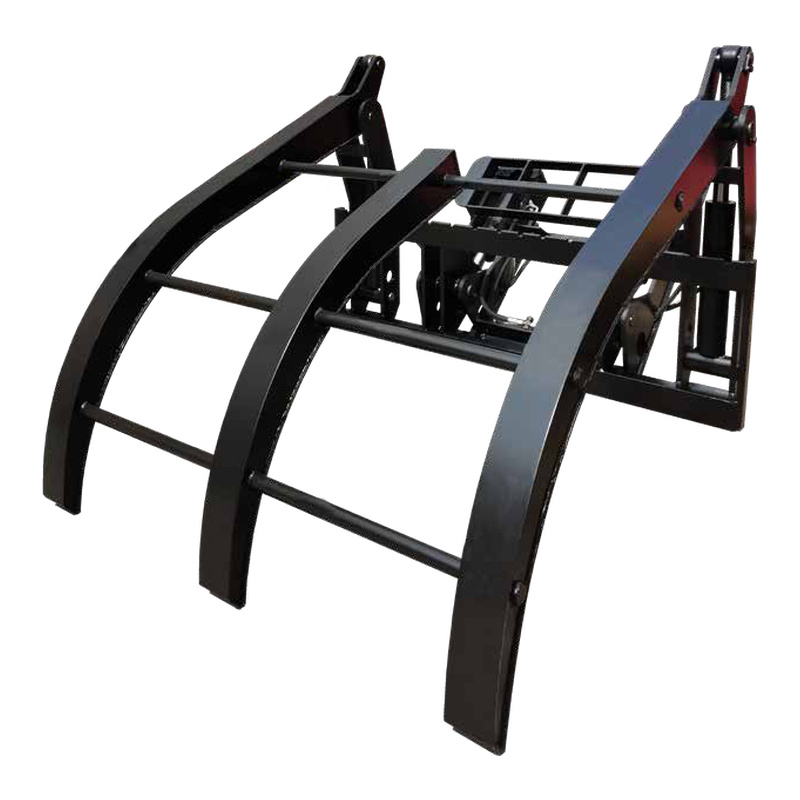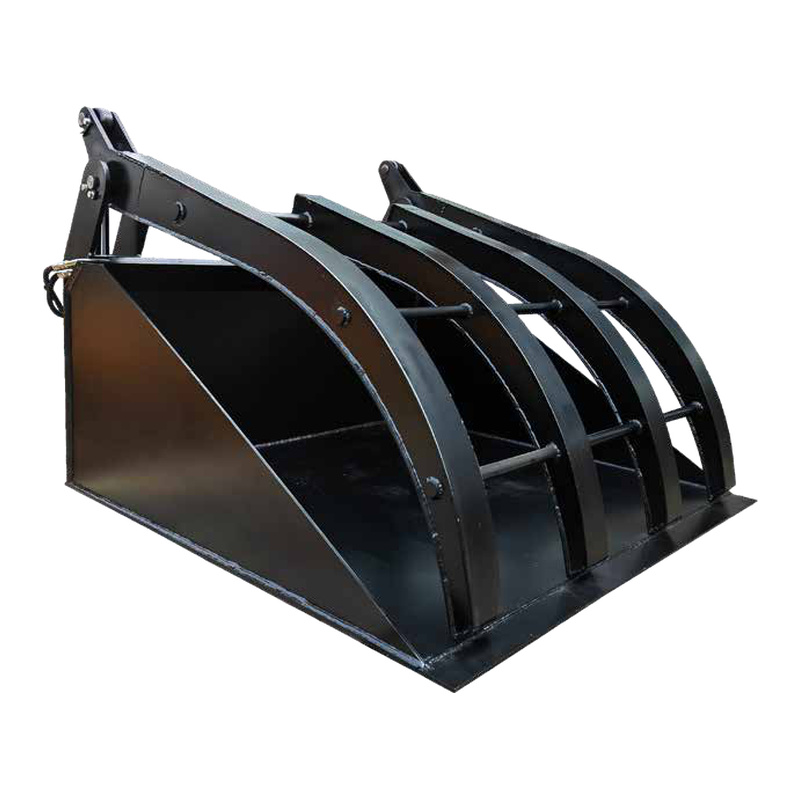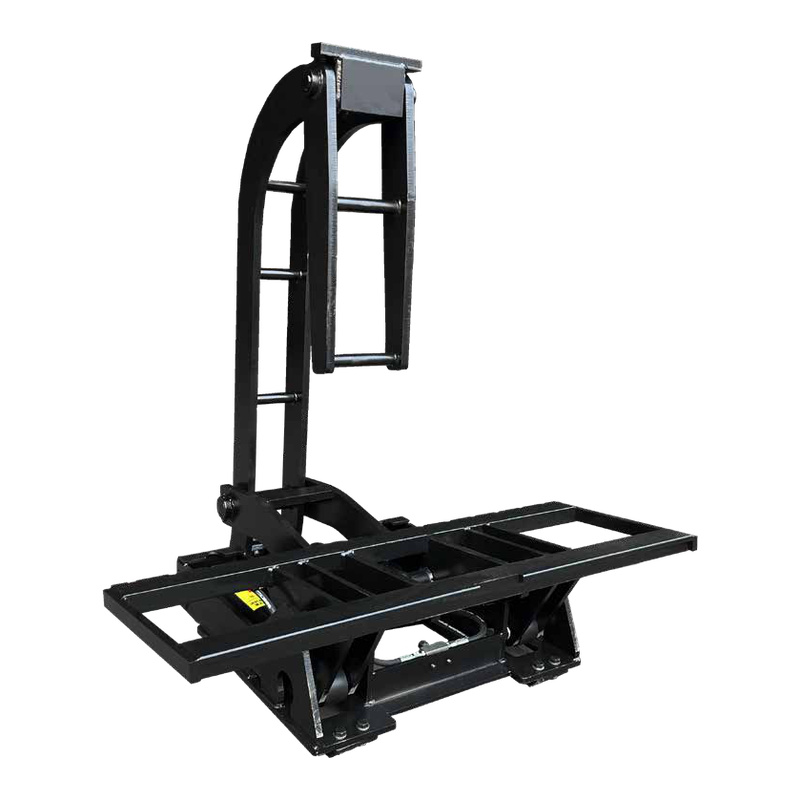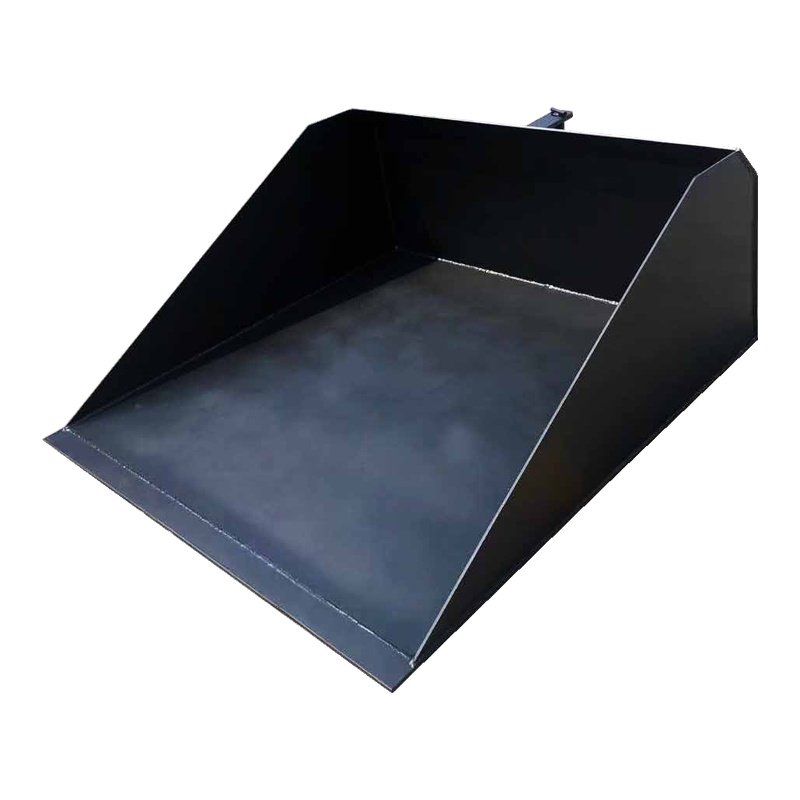
The Forklift Bucket is designed to improve bulk material handling in different working environments. Its fork sleeve structure allows quick installation on compatible forklifts for loading sand, grain, soil, fertilizer, coal, and construction debris. When paired with tipping forks or grapple attachments, this heavy duty forklift bucket supports efficient loading, transport, and unloading while extending the practical use of existing forklift equipment. As an experienced forklift bucket manufacturer, we provide customized sizes, capacities, mounting structures, and bulk supply for global projects.

| Model | Parameter | Customizable |
| The length of the bucket (mm) | 1400\1500 | |
| The width of the bucket (mm) | 1600\1800 | |
| Thickness of bucket bottom plate (mm) | 10 | |
| Bucket edge plate thickness (mm) | 8 | |
| Capacity (kg) | \ | 2000/3000/4000/5000 Customizable |
| Color | Black | Customizable |
1. Scoop-Style Handling for Loose Materials
Forklift Bucket is designed around scooping and dumping, not clamping or gripping. This makes it more suitable for materials that can flow or slide into the bucket, such as sand, soil, grain, feed, light construction debris, wood chips and packaging waste. For buyers, the first selection point should be material type and bucket volume, because light materials and dense materials create very different working loads.
2. Bucket Shape for Loading and Discharge
The bucket body should allow material to enter smoothly when the forklift pushes forward and release cleanly when the bucket is tipped. A deeper bucket is better for light loose materials, while heavier materials need more attention to forklift capacity and load center. The front edge, side plate height and bucket depth all affect how much material can be carried in each trip.
3. Fork-Mounted Design for Fast Use
A Forklift Bucket can be mounted on forklift forks, allowing warehouses and yards to use existing forklifts for occasional cleanup, bulk material transfer or loading work. Fork pocket size, fork length, fork spacing and locking structure should be checked before ordering so the bucket sits securely during loading and tipping.
4. Dumping Function for Bins and Trucks
The bucket is useful when materials need to be discharged into skips, hoppers, trailers, containers or truck beds. Instead of workers shoveling loose material by hand, the forklift can carry the bucket to the unloading point and tip the load in one movement. This makes it practical for cleanup areas, yard transfer and low-volume bulk loading.
1. Construction Site Cleanup
Forklift Bucket can collect sand, gravel, soil, broken blocks, light rubble and site debris. It helps move loose material from the work area to a skip, truck or temporary storage pile.
2. Agricultural Material Handling
Farms and agricultural storage sites can use the bucket for feed, grain, fertilizer, bedding material, straw pieces or other light bulk goods that need short-distance transfer.
3. Factory Waste Collection
Manufacturing plants can use a Forklift Bucket to collect packaging waste, plastic scraps, wood pieces, dust bags, trimming waste and other loose production materials around workshops.
4. Recycling Yard Support
Recycling sites can use the bucket for light scrap, mixed loose waste, broken packaging and material sorting work. It is more suitable for scoopable materials than long, sharp or oversized scrap pieces.
5. Warehouse and Yard Maintenance
Warehouses, logistics yards and outdoor storage areas can use the bucket for daily cleanup, snow removal, spilled material collection and moving loose goods that cannot be handled with forks.
Forks need a load base. Pallets, crates and boxes sit on forks well because the weight is supported from underneath. Loose material has no stable base. Sand, soil, waste or grain cannot be lifted directly with forks unless workers first put it into bags, bins or pallets.
A Forklift Bucket removes that extra step. The forklift can collect loose material directly from the ground or pile, then carry and dump it where needed. This is why the bucket is more suitable for cleanup, loading and bulk transfer than standard forks.
Forklift Bucket and Hydraulic Grab Bucket may both handle non-palletized material, but they do different jobs. A grab bucket closes around material, which is better for irregular scrap, branches, mixed waste or bulky pieces that need holding force. A Forklift Bucket is better for scoopable materials that can slide into the bucket and stay inside during travel.
For sand, grain, feed, snow, soil and light loose debris, a bucket often works faster because the operator can scoop and dump directly. For sharp, tangled or oversized materials, a grab structure may be more suitable.
For Forklift Bucket sourcing, prepare the material type, material density, expected bucket volume, forklift model, fork size, unloading height and dumping target. These details help check the bucket body, fork pocket fit, load balance and discharge method before quotation. For farms, construction yards, recycling areas, factories or warehouse maintenance teams, the right bucket specification should match the real material flow rather than only the forklift size.

 sales@neunepusi.com