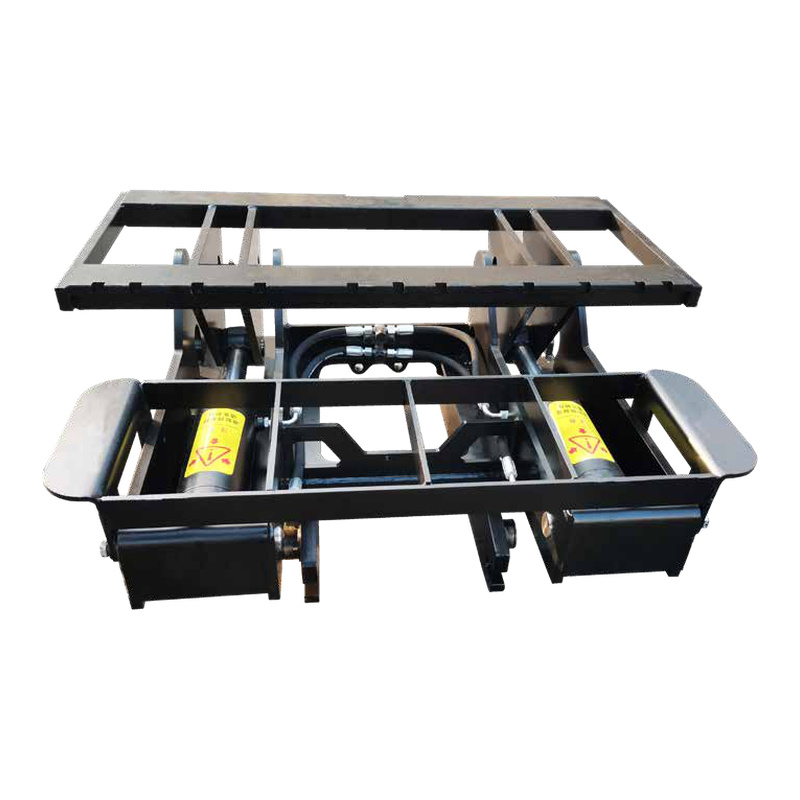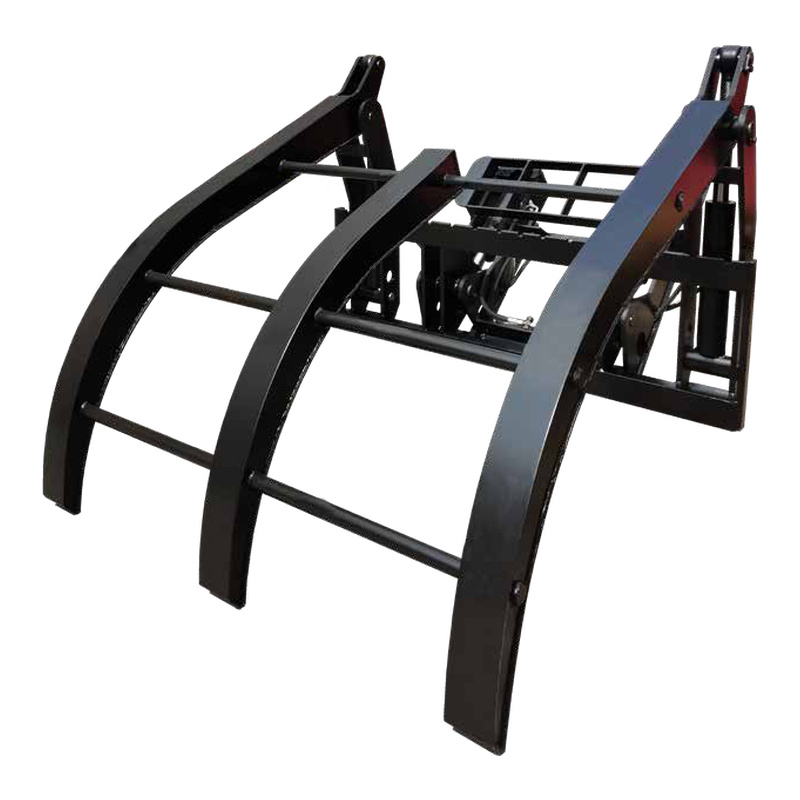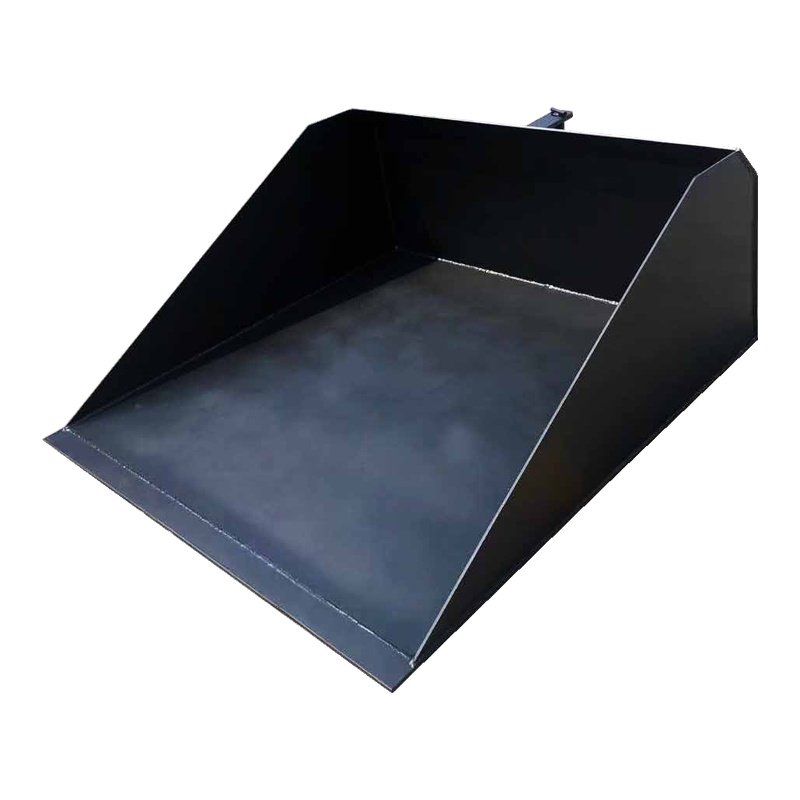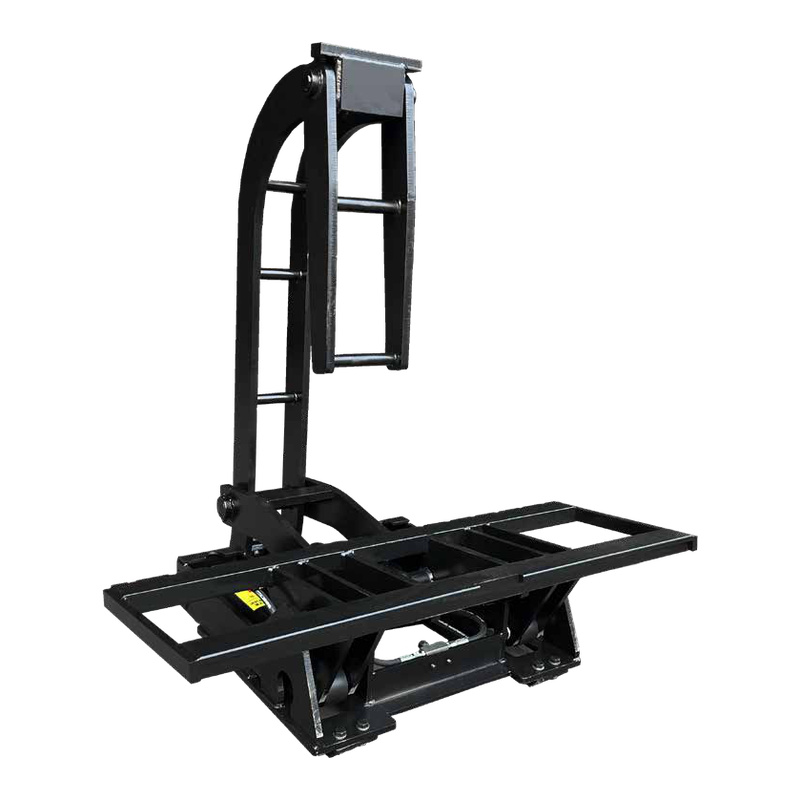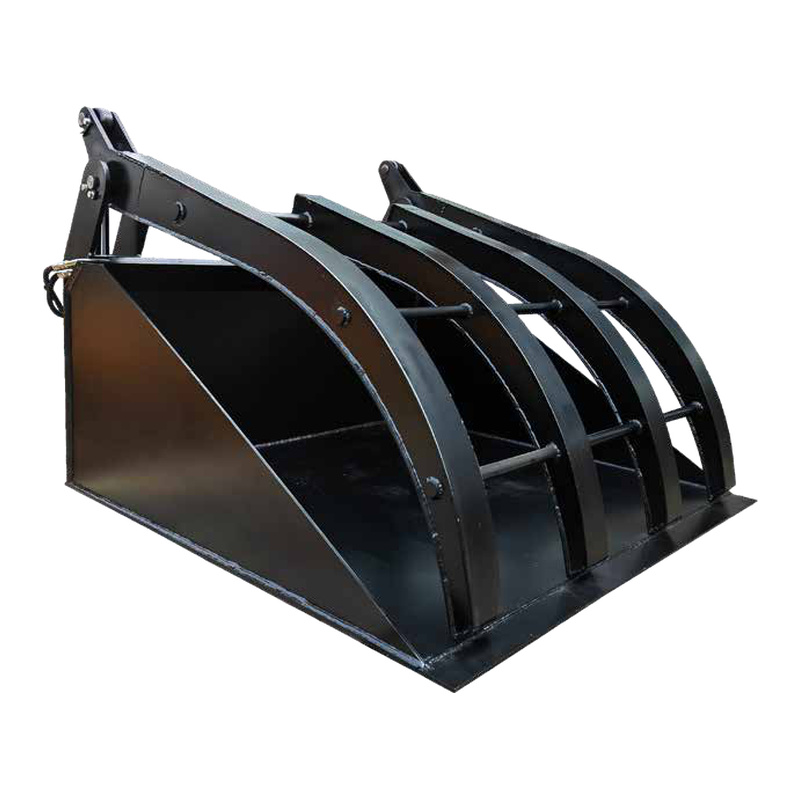
Loose materials are difficult to handle with standard forklift forks because they cannot be lifted like pallets. Scrap, soil, coal, grain, fertilizer, recycling waste, rubble and mixed debris often need a bucket structure that can gather, hold and release material in one working cycle. A Hydraulic Grab Bucket adds this function to a forklift by combining a reinforced steel bucket with hydraulic gripping arms. It helps operators complete collection, short-distance transfer and dumping work without changing to a separate loader.
Our Hydraulic Grab Bucket is built for demanding loading environments where material control matters as much as lifting capacity. The product can be configured with 1400mm or 1500mm bucket length, 1600mm or 1800mm bucket width, two, three or four claws, 10mm bucket bottom plate thickness and 8mm bucket edge plate thickness. Capacity can cover 2000kg, 3000kg, 4000kg and 5000kg, with customizable capacity, color, mounting dimensions, finish and hydraulic connections for OEM forklift attachment orders.
| Model | Parameter | |
| The length of the bucket (mm) | 1400\1500 | Customizable |
| The width of the bucket (mm) | 1600\1800 | |
| Claws | \ | Two, three, four claws |
| Thickness of bucket bottom plate (mm) | 10 | Customizable |
| Bucket edge plate thickness (mm) | 8 | |
| Maximum claw height (mm) | 2100 | |
| Capacity (kg) | 2000\3000\4000\5000 | Customizable |
| Color | Black | Customizable |
1. Claw Type Grabbing Control
The main value of a Hydraulic Grab Bucket is its ability to grip material before movement. A standard bucket can scoop loose material, but unstable loads may fall out when the forklift turns, lifts or travels across uneven ground. The hydraulic claw structure helps close around irregular materials, making the load more controlled during transfer. This is especially useful for waste, scrap, branches, broken packaging and construction debris that cannot sit evenly on forks. For operators, better grip control means fewer repeated collection movements and cleaner material handling on site.
2. Scoop Hold Dump Workflow
A Hydraulic Grab Bucket supports a full working process instead of only one handling action. It can collect scattered material from the ground, hold the load during movement and release it into trucks, bins, containers or processing areas. This makes the attachment useful in dirty, loose-material environments where manual collection is slow and standard forks are ineffective. The hydraulic opening and closing action gives the operator more control when gathering or unloading material. For factories, yards and recycling sites, this workflow can reduce the number of handling steps in daily cleanup work.
3. Reinforced Bucket Body
The bucket body needs to handle friction, impact and contact with different material piles. The listed structure includes a 10mm bucket bottom plate and 8mm bucket edge plate, helping the bucket withstand loading work in heavier material conditions. The wider bucket body also gives operators more surface area when pushing into loose piles before closing the claws. For construction cleanup, recycling yards and factory waste handling, bucket strength affects long-term service life and working stability. This is why plate thickness and edge structure should be checked carefully before bulk purchasing.
4. Forklift Function Conversion
Many sites already operate forklifts but still face materials that cannot be handled with ordinary forks. A Hydraulic Grab Bucket helps convert an existing forklift into a loose-material handling machine without buying a separate loader for every location. This is practical for workshops, warehouses, farms, ports and construction yards where the same forklift may handle both palletized and non-palletized work. For equipment dealers, this type of attachment can expand the value of forklift fleets. For end users, it gives more flexibility when different handling tasks appear in the same working area.
5. Configurable Working Capacity
Different materials require different bucket size, claw quantity and capacity planning. Fine materials need better containment, while bulky scrap or waste may require wider opening space and more gripping contact. The available capacity range from 2000kg to 5000kg gives buyers room to match the attachment with forklift capacity and material density. Two, three or four claws can be selected according to how the material behaves during collection and release. This makes configuration review important before production, especially for buyers handling mixed materials or heavy irregular loads.
1. Scrap Recycling Yards
Scrap yards often handle metal offcuts, mixed recycling materials, broken pieces and irregular loads. These materials are difficult to balance on standard forks because shape and weight distribution are often inconsistent. A Hydraulic Grab Bucket helps gather loose scrap and hold it during short-distance transfer. The claw action reduces material loss while moving across the yard. For recycling operators, this can improve loading speed when transferring scrap into containers, sorting areas or processing zones.
2. Construction Site Cleanup
Construction sites produce rubble, stones, soil, broken blocks, sand and mixed debris. These materials are usually scattered across the ground or stored in loose piles, making manual collection slow and inefficient. A Hydraulic Grab Bucket allows the forklift to scoop, grip and move materials during cleanup work. The bucket body helps collect loose material, while the claws help keep irregular pieces under control. For contractors, this attachment can support site cleaning, truck loading and temporary material transfer without relying only on manual labor.
3. Waste Transfer Stations
Waste transfer stations deal with packaging waste, broken materials, mixed industrial refuse and loose rubbish. These materials often change shape during handling and may fall apart during movement. The grab structure helps hold unstable loads more securely before dumping them into bins, containers or trucks. This makes the handling process cleaner and more controlled compared with using a plain bucket alone. For waste management facilities, the attachment can support repeated loading work in compact operating areas.
4. Agricultural Biomass Handling
Farms and biomass storage areas often need to move branches, crop waste, straw pieces and other loose organic materials. These materials are light, bulky and difficult to control with standard forklift forks. A Hydraulic Grab Bucket provides both bucket containment and claw pressure, helping gather material from storage areas and move it to processing or loading points. The working method is useful where materials are not packed into uniform bales or containers. For agricultural operations, one forklift attachment can support more flexible seasonal handling tasks.
5. Factory Scrap Collection
Manufacturing plants often generate production scrap, wood chips, plastic pieces, metal trimmings and packaging waste. These materials may build up around workshops, storage areas or loading zones if not cleared regularly. A Hydraulic Grab Bucket helps collect loose process waste and transfer it to disposal or recycling points. The attachment is useful when the factory already has forklifts but needs a better way to handle scattered non-palletized materials. For plant managers, faster cleanup can improve workshop organization and reduce unnecessary manual handling.
Before choosing a Hydraulic Grab Bucket, buyers should first define the material they need to handle. Soil, grain, coal, rubble, wood pieces, scrap metal and recycling waste behave very differently during scooping and dumping. Fine materials may require better bucket containment, while irregular materials may need stronger claw contact and wider opening space. Material density also affects the required forklift capacity and bucket volume. A correct match between material behavior and bucket structure helps avoid overloading, leakage and unstable handling during daily use.
For Hydraulic Grab Bucket selection, the most important information is not only the quantity. Prepare your material type, material density, forklift capacity, fork size, hydraulic pressure condition, dumping height and daily working route. These details help us judge whether the bucket body, claw quantity, capacity and hydraulic connection match your actual job site. For recycling yards, construction cleanup, farms, waste stations and factory scrap areas, the right configuration can reduce handling steps and improve material control. Once these working details are clear, we can prepare a more practical quotation and configuration plan.

 sales@neunepusi.com